

Choosing the right soffit vents is one of the most important (and often overlooked) steps in protecting your roof, attic, and overall home comfort. Properly ventilated soffit systems allow fresh air to enter your attic, balance moisture, and extend the life of your roofing materials. If you’re planning a renovation or new build, understanding ventilation and selecting the best soffit material can save you money and headaches long term.
Why Soffit Vents Matter for Attic Airflow
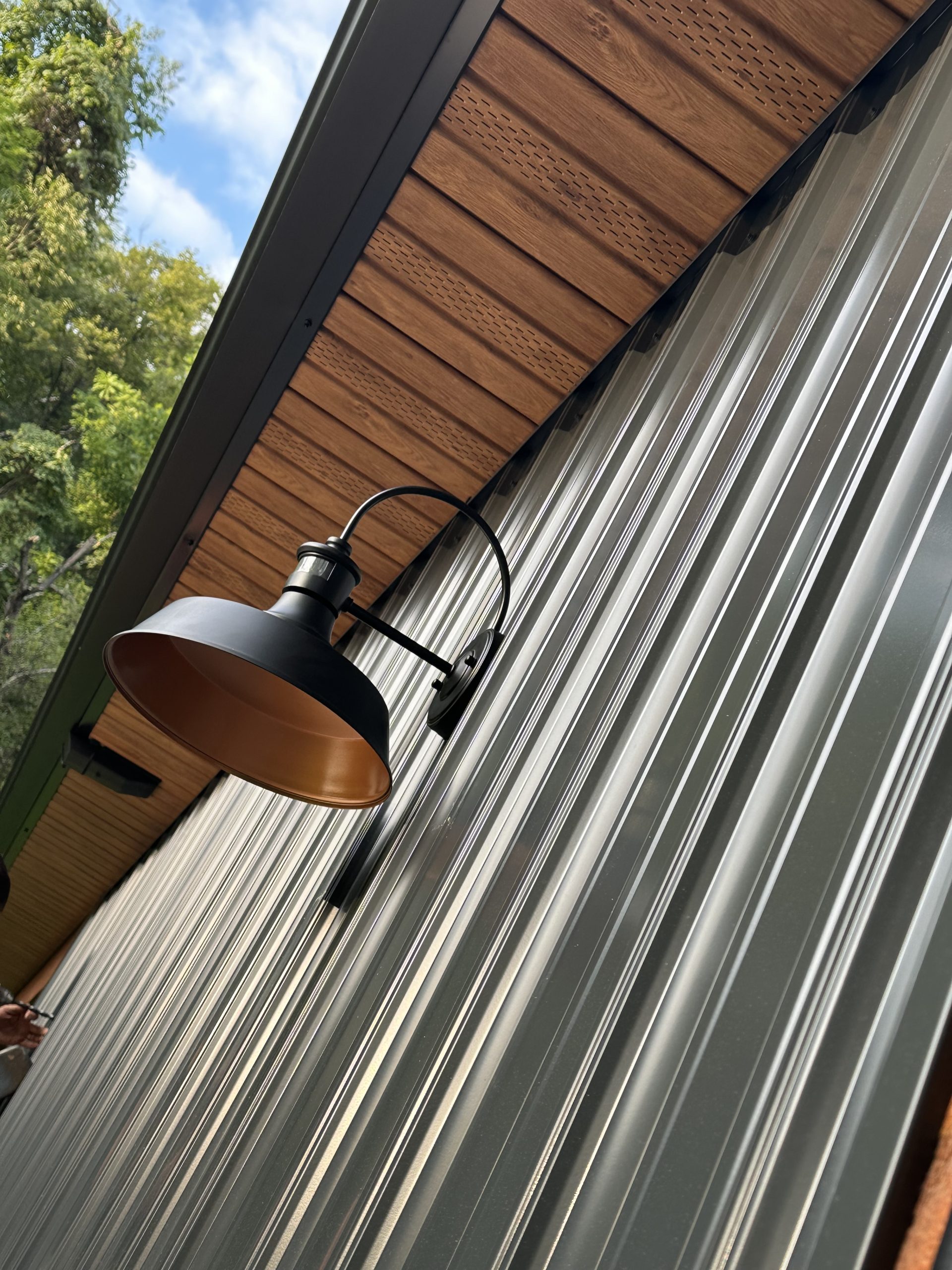
Soffit vents sit beneath your roof’s overhang and act as the intake side of your attic ventilation system. They work with ridge vents or roof vents to create continuous airflow.

Benefits of properly installed soffit vents include:
Reduced moisture buildup that can lead to mold or rot
Lower attic temperatures in summer
Improved energy efficiency year-round
Longer roof and shingle lifespan
According to the U.S. Environmental Protection Agency, proper attic ventilation plays a key role in controlling indoor moisture and improving overall home durability.
How to Choose the Right Soffit Vent Design
When selecting a ventilated soffit, consider these factors:
1. Vent Style
- Continuous soffit vents offer even airflow across the entire eave
- Individual soffit vents work well for smaller or segmented rooflines
2. Net Free Vent Area (NFVA)
Look for soffit vents that provide enough airflow to meet local building codes and pair correctly with your exhaust vents.
3. Climate Considerations
Homes in humid or hot climates benefit most from higher-capacity ventilation to manage heat and moisture effectively.
Best Soffit Material for Ventilated Systems
Choosing the best soffit material is just as important as vent placement.
Common Soffit Materials:
- Vinyl soffit – Affordable, low maintenance, and moisture-resistant
- Aluminum soffit – Durable, fire-resistant, and excellent for ventilation
- Fiber cement soffit – Strong and weather-resistant but heavier and more expensive
- Wood soffit – Visually appealing but requires regular maintenance
For most homeowners, ventilated vinyl or aluminum options strike the best balance between performance, longevity, and cost.
Where to Buy Quality Ventilated Soffits
When sourcing soffit vents and materials, work with a supplier that specializes in exterior building products. You can explore a wide range of ventilated soffit options at:
https://worthouse.com/shop
For additional guidance on ventilation best practices, this resource from Energy.gov is helpful:
https://www.energy.gov/energysaver/roof-and-attic-ventilation
Final Thoughts
The right soffit vents, combined with the best soffit material, can dramatically improve attic airflow and protect your home for decades. By choosing properly ventilated soffits, you’re not just improving comfort—you’re making a smart, long-term investment in your property.
If you want help selecting the right soffit solution, explore professional-grade options at https://worthouse.com/shop and build with confidence.